Heat Pump Solutions: The Perfect Answer for All-Season Comfort
Heat pump services provide an efficient approach to keeping indoor spaces comfortable year-round. By employing an energy-conscious refrigeration cycle, these units are capable of both heating and cooling spaces while reducing overall energy expenses. The benefits they offer for indoor air quality and available energy rebates make them a growing choice. That said, gaining knowledge of their installation and upkeep is key to fully realizing their advantages. What factors should homeowners consider when choosing the right heat pump for their needs?
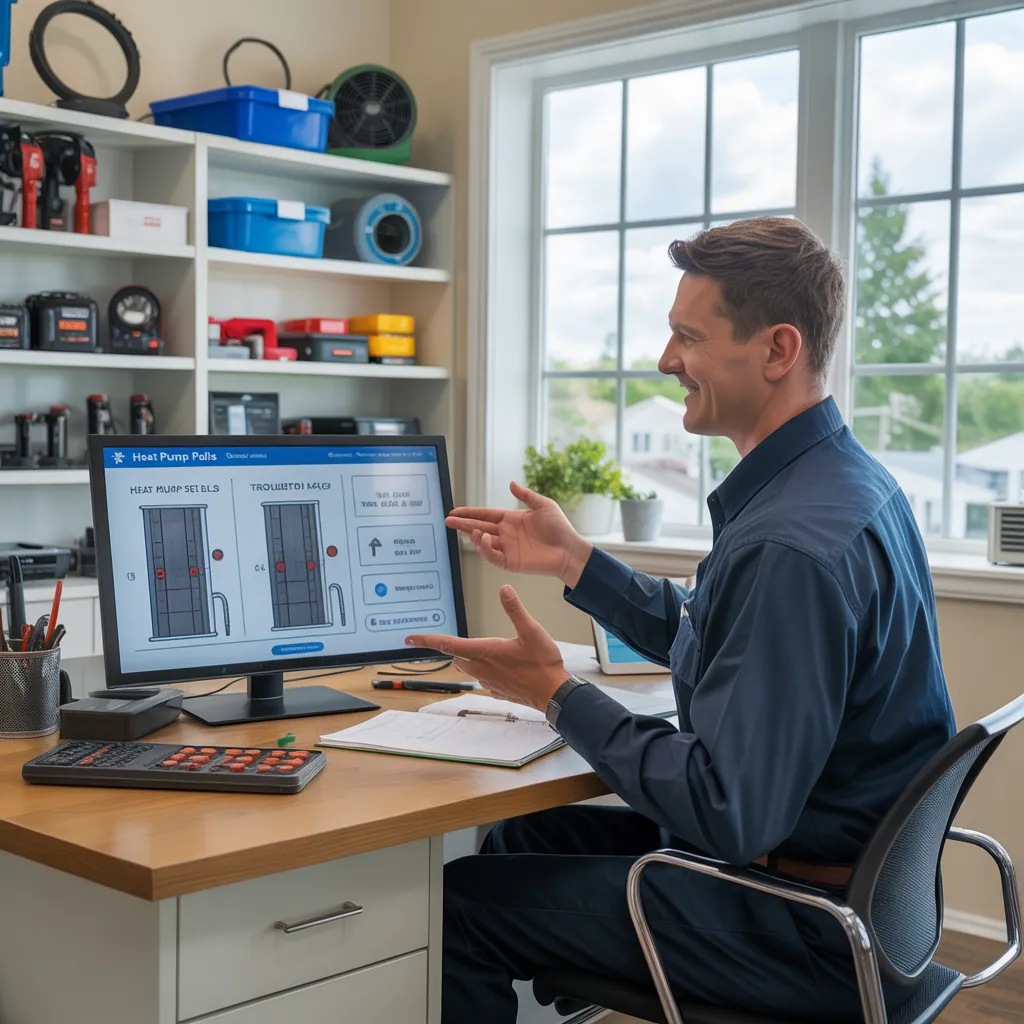
How Heat Pumps Work and Why They Matter
While many individuals might not fully understand the complexities behind heat pump technology, grasping their operation demonstrates their value in today's heating and cooling solutions. Heat pumps function by transferring heat rather than generating it, applying a refrigeration mechanism similar to conventional air conditioning systems. In colder months, they draw heat from the outdoor air, regardless of low temperatures, and move it inside. By contrast, when summer arrives, they flip the process, pulling heat from inside and pushing it into the outdoor air.
This twofold feature makes heat pumps exceptionally flexible, offering comprehensive heating and cooling options. They commonly depend on electricity, providing a more energy-conscious option compared to conventional heating systems, such as furnaces. By harnessing ambient heat, heat pumps simultaneously decrease energy usage and help minimize greenhouse gas emissions, supporting modern sustainability objectives. Therefore, their operation is essential in promoting sustainable energy practices while enhancing indoor comfort year-round.
Top Benefits of Heat Pump Services
What advantages do heat pump services offer? Primarily, they provide enhanced energy efficiency, significantly lowering utility bills in comparison to conventional heating and cooling systems. As they relocate heat rather than creating it, heat pumps work more sustainably, making them an environmentally friendly option. Furthermore, these systems provide flexible climate control, effectively heating in the winter and cooling in the summer.
Regular maintenance services guarantee top-level performance, extending the lifespan of the unit and decreasing the chances of unforeseen malfunctions. Furthermore, heat pumps have the ability to elevate indoor air quality by eliminating contaminants and humidity, fostering a more wholesome indoor atmosphere.
Lastly, the installation of heat pump services commonly qualifies homeowners for energy rebates and financial incentives, making them a financially sound investment. All in all, heat pump services provide a cost-effective, practical, and eco-friendly approach for all-season comfort.
Installing a Heat Pump: A Step-by-Step Guide
Installing a heat pump demands careful consideration of several factors. Essential considerations include selecting an appropriate site, determining electrical specifications, and maximizing positioning for peak performance. Addressing these points ensures a smooth setup process and enhanced operation of the heating and cooling unit.
Site Selection Criteria
Identifying the best location for a heat pump installation is vital for enhancing operational efficiency. The location should be free from impediments that could hinder airflow, such as trees, fences, or buildings. Guaranteeing adequate clearance around the unit supports maintenance and boosts operational efficiency. Additionally, selecting a site with ideal sun exposure can improve heat absorption during winter months. The surface conditions must also be adequate; a stable, level surface is necessary for the longevity of the unit. Furthermore, proximity to existing ductwork or heating systems can simplify installation and minimize costs. Lastly, awareness of noise levels is necessary, as heat pumps can emit sound, impacting nearby living areas. Proper site selection plays a key role in the heat pump's effectiveness and lifespan.
Overview of Electrical Requirements
Comprehending the electrical specifications is vital for a smooth heat pump installation. Proper electrical setup ensures the system performs effectively and securely. To begin, the electrical panel must be inspected to ensure it can handle the heat pump's power requirements. Generally, a dedicated circuit is required, often calling for a 240-volt supply, depending on the unit's settings. An appropriately sized breaker, usually 20 to 60 amps, should be fitted to protect against excessive load. Moreover, qualified electricians should be consulted to ensure compliance with regional codes and standards. Correct grounding and wiring techniques are essential for peak performance and safety. Focusing on these electrical aspects will facilitate a smooth installation process and extend the durability of the heat pump system.
Tips for Positioning Your Heat Pump
Correct positioning of a heat pump greatly affects its efficiency and performance. To achieve ideal results, it is essential to place the outdoor unit in a well-aerated location, away from obstructions like fences or shrubbery. Ideally, the unit should be lifted to minimize water pooling during heavy rain. Furthermore, installing the indoor unit at a central point improves air circulation and temperature control throughout the space. Verify that both units are evenly positioned to promote efficient drainage and lower noise levels. Be mindful of local zoning requirements and noise guidelines when selecting a location. Finally, refrain from positioning the heat pump close to windows or vulnerable zones to reduce disruptions and enhance comfort. Adhering to these recommendations will encourage durability and efficient functioning of the heat pump system.
Essential Heat Pump Maintenance Tips for Optimal Efficiency
Ensuring optimal operation of a heat pump requires attention to detail and regular upkeep. Essential steps involve replacing filters regularly to guarantee efficient airflow and booking routine professional assessments for thorough evaluation. These measures can considerably extend the longevity and effectiveness of the equipment.
Periodic Filter Replacement
Consistent filter replacement plays a vital role in optimizing the performance and longevity of heat pumps. Filters trap dust, allergens, and debris, preventing them from circulating through the system. As filters grow congested, airflow is impeded, causing greater energy consumption and decreased heating or cooling view this guide efficiency. Consistently replacing filters can significantly enhance indoor air quality and ensure optimal performance. Ideally, filters should be checked monthly and replaced every three months, or more frequently in high-use situations. This straightforward upkeep routine not only improves system performance but also extends the lifespan of the heat pump. Homeowners ought to review their unit's manual for particular filter instructions, securing a well-kept system that functions reliably all year long.
Annual Expert Inspections
Annual professional inspections are essential for guaranteeing peak performance of heat pumps. These assessments help detect potential problems before they worsen, protecting homeowners from expensive repairs and poor system performance. During an inspection, trained technicians assess various components, including the refrigerant levels, electrical connections, and overall system efficiency. They further clean vital parts, which results in better air quality and improved energy efficiency. Planning these inspections at minimum once per year confirms that the heat pump functions reliably throughout every season, improving comfort and cutting energy costs. Routine maintenance not only lengthens the operational life of the unit but also guarantees conformity with warranty stipulations. Therefore, annual professional inspections are a wise investment for any heat pump owner seeking reliable performance.
Common Heat Pump Issues and How to Resolve Them
While heat pumps are known for their efficiency and versatility, they can encounter various issues that may hinder their performance. One prevalent concern is poor heating or cooling performance, often caused by dirty filters or blocked ducts. Regular maintenance, including filter changes and duct cleaning, can resolve this issue. Another frequent concern is unusual noises, which could signal loose fittings or deteriorating components. Locating the origin of these noises and securing or replacing components can resolve the issue.
Additionally, refrigerant leaks can negatively impact performance. When low refrigerant levels are identified, seeking assistance from a certified technician is recommended. Lastly, repeated cycling may point to a defective thermostat or an oversized system, causing inefficient performance. Recalibrating the thermostat settings or working with a professional for a system review can help reestablish proper balance. Resolving these problems in a timely manner ensures optimal performance and prolongs the lifespan of the heat pump.
A Comparison of Heat Pumps and Traditional HVAC Systems
When evaluating HVAC options, the distinctions between heat pumps and traditional HVAC systems become apparent. Heat pumps operate by transferring heat rather than producing it, rendering them more environmentally friendly. On the other hand, traditional HVAC systems depend on electric resistance or combustion to generate heat. This key distinction enables heat pumps to offer both heating and cooling capabilities, a versatility that traditional systems cannot match.
Additionally, heat pumps generally have a greater lifespan and necessitate less servicing as opposed to conventional heating and cooling systems. They also operate with less noise, supporting a comfortable living environment. That said, traditional systems may function better in harsh cold climates, where heat pumps might find it challenging to extract adequate heat. In the end, the comparison of heat pumps and conventional heating and cooling systems relies on specific climate conditions, efficiency targets, and individual heating and cooling needs, making thorough assessment vital for households.
Selecting the Best Heat Pump for Your Home
How can homeowners determine the most suitable heat pump for their needs? Choosing the most suitable heat pump requires careful consideration of multiple important elements. As a starting point, homeowners must consider the dimensions of their living area, since the system's output needs to match the property's size to achieve optimal performance. Furthermore, the local climate is a significant factor; areas that experience harsh weather patterns may need more powerful units.
Energy efficiency ratings, such as the SEER (Seasonal Energy Efficiency Ratio) and HSPF (Heating Seasonal Performance Factor) ratings, should also be taken into account. Higher ratings typically indicate lower operating costs. Homeowners should also contemplate the kind of heat pump—air-source, ground-source, or ductless—according to their unique installation demands and financial considerations.
To conclude, consulting with a certified HVAC specialist can deliver customized guidance and secure accurate installation, consequently improving the household's energy efficiency and comfort year-round.
Frequently Asked Questions
Do Heat Pumps Perform Energy-Efficiently in Severe Weather Conditions?
Heat pumps have the potential to be energy-efficient in extreme weather conditions, but their performance may decrease in very low temperatures. Correct sizing, professional installation, and additional heating solutions improve overall efficiency, ensuring effective temperature regulation throughout the year.
How Long Do Heat Pumps Typically Last?
Heat pumps generally have a lifespan of 15 to 20 years on average, depending on maintenance, usage, and environmental factors. Routine maintenance can significantly prolong their operational life, maintaining top-level performance throughout their service life in diverse weather conditions.
Are Heat Pumps Effective in Colder Climates?
Absolutely, heat pumps are able to function in cooler environments, however their performance may diminish as temperatures decrease. Today's designs are designed to perform reliably even in sub-zero conditions, providing warmth throughout the year.
How Much Does Heat Pump Installation Cost on Average?
The typical cost of installing a heat pump usually falls from $3,000 to $8,000, depending on factors like the type of system, the size of the home, and local labor costs. Other costs may involve permits and potential modifications to existing infrastructure.
Do Heat Pumps Need Special Electrical Configurations?
Indeed, heat pumps frequently require specific electrical configurations to support their energy demands. This often encompasses dedicated circuits and proper voltage configurations, guaranteeing maximum efficiency and safety during operation while complying with local electrical regulations.